
Injury library / Foot and ankle
Foot and ankle
Heel pain with your first steps in the morning
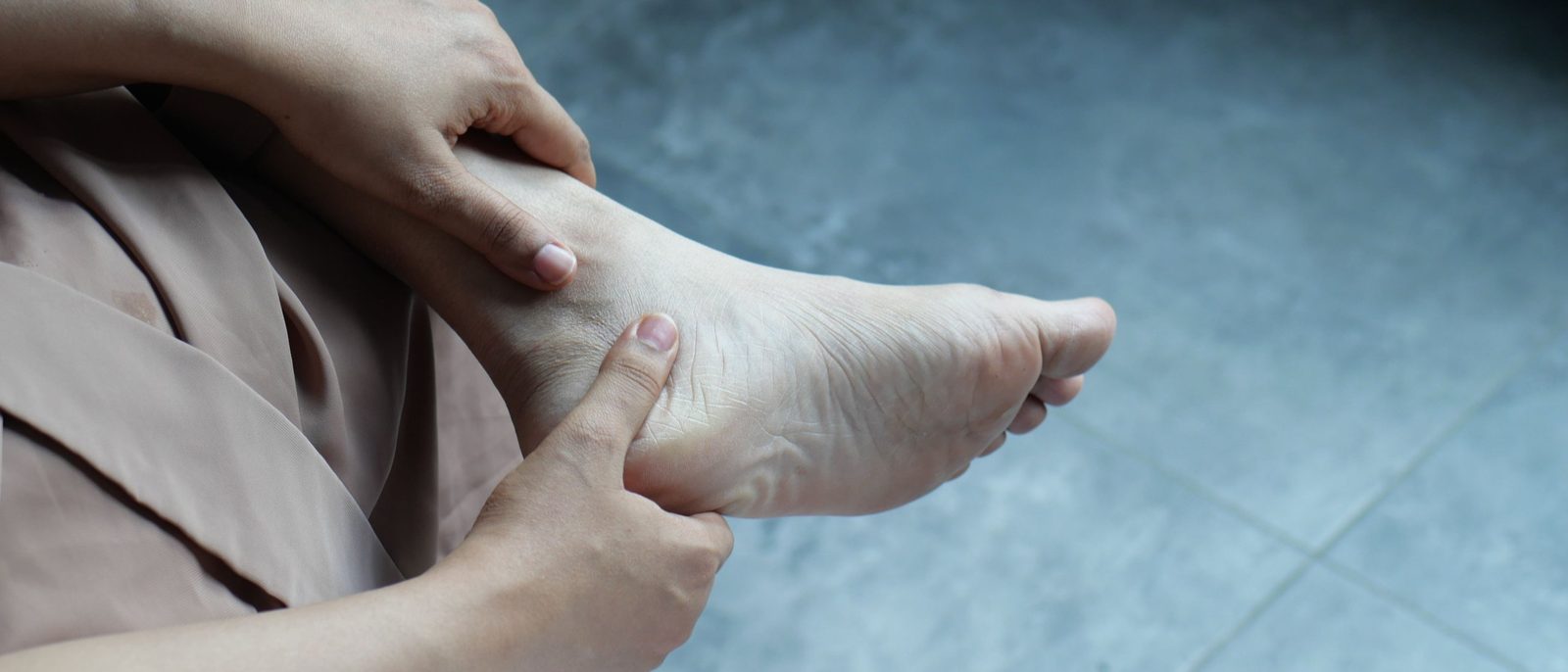
If your first steps out of bed feel like stepping on a stone, and the pain eases after a few minutes of walking, this is likely plantar heel pain. It is common, and most people get better.
Jeff Shaverian · Physical therapy · KPM
Two ways it shows up
Pattern 1
Worst with the first steps
- Sharp pain under the heel when you get up from bed or a chair
- Eases after a few minutes of walking
- Tender under the heel, toward the inside edge
After rest the irritated tissue is stiff, and your first steps load it before it warms up.
Pattern 2
Worst after a long day on your feet
- A dull ache that builds with hours of standing or walking
- Began after a change: a job on your feet, more walking or running, new shoes or weight gain
- Hard floors, bare feet on tiles or flip-flops make it worse
The tissue has been asked to absorb more load than it is used to, day after day.
Most people have some of both. If the pain is at the back of the heel instead, read "Achilles pain: why rest alone won't fix it": some advice here, like calf stretching, can flare that problem.
Why it hangs around
The plantar fascia is a thick band of tissue running from the underside of your heel bone to the base of your toes. It helps hold up your arch and tightens as your toes bend back to push off. The old name, plantar fasciitis, suggests inflammation, but the tissue usually shows a mix of irritation and wear, so many clinicians now say plantar fasciopathy or simply plantar heel pain.
It usually builds gradually after a change in how much weight your feet carry: more walking, running or standing, long shifts on hard floors, weight gain or stiff calves. Rest calms the pain, but going straight back to the same load brings it back.
How you move decides where that load lands. In my KPM assessment (the Kinesiopathological Model, which looks for the movement that keeps irritating a tissue), I check for an ankle that cannot bend forward well. The foot can then flatten and roll in to make up the difference, pulling harder on the fascia with each step. A stiff ankle is a known risk factor, but I test it in you rather than assume it.
What to try this week
- Make the first steps easier. Before standing up after sleep or a long sit, move your ankles up and down for a minute. Then cross the sore foot over your other knee and pull your toes back until you feel a stretch along the sole. Hold for a slow count of 20, three times.
- Stretch your calves. Lean into a wall with the sore foot behind you, heel down, for a slow count of 30, then repeat with the back knee slightly bent. Keep it gentle, and skip it if your pain is at the back of the heel.
- Cushion your feet. Wear shoes with a cushioned heel and arch support, at home too, and keep sandals with a back by the bed. Avoid bare feet on hard floors and flip-flops for now. An off-the-shelf arch support helps some people, alongside the stretches.
- Trim the load, add gentle strength. Swap some walking or standing for cycling or swimming. Every second day, do two or three sets of 10 slow heel raises on both feet. Stop if the pain sharply increases or your next morning is worse.
Safety first
See a doctor first, or call 115 in an emergency, if you have:
- Heel pain after a fall or jump, or a swollen heel that hurts when you squeeze its sides: possible fracture
- A sudden pop under the foot, or being unable to put weight on it: get seen the same day
- Numbness, tingling or burning in the heel or sole, or pain running down from your back, especially if you have diabetes
- Pain in both heels with pain or swelling in other joints, or long morning stiffness in your back or joints
- A hot, red, swollen heel, a puncture wound on the foot, or a fever: possible infection, see a doctor the same day
- Deep heel pain at rest, or pain that wakes you at night
How I treat it
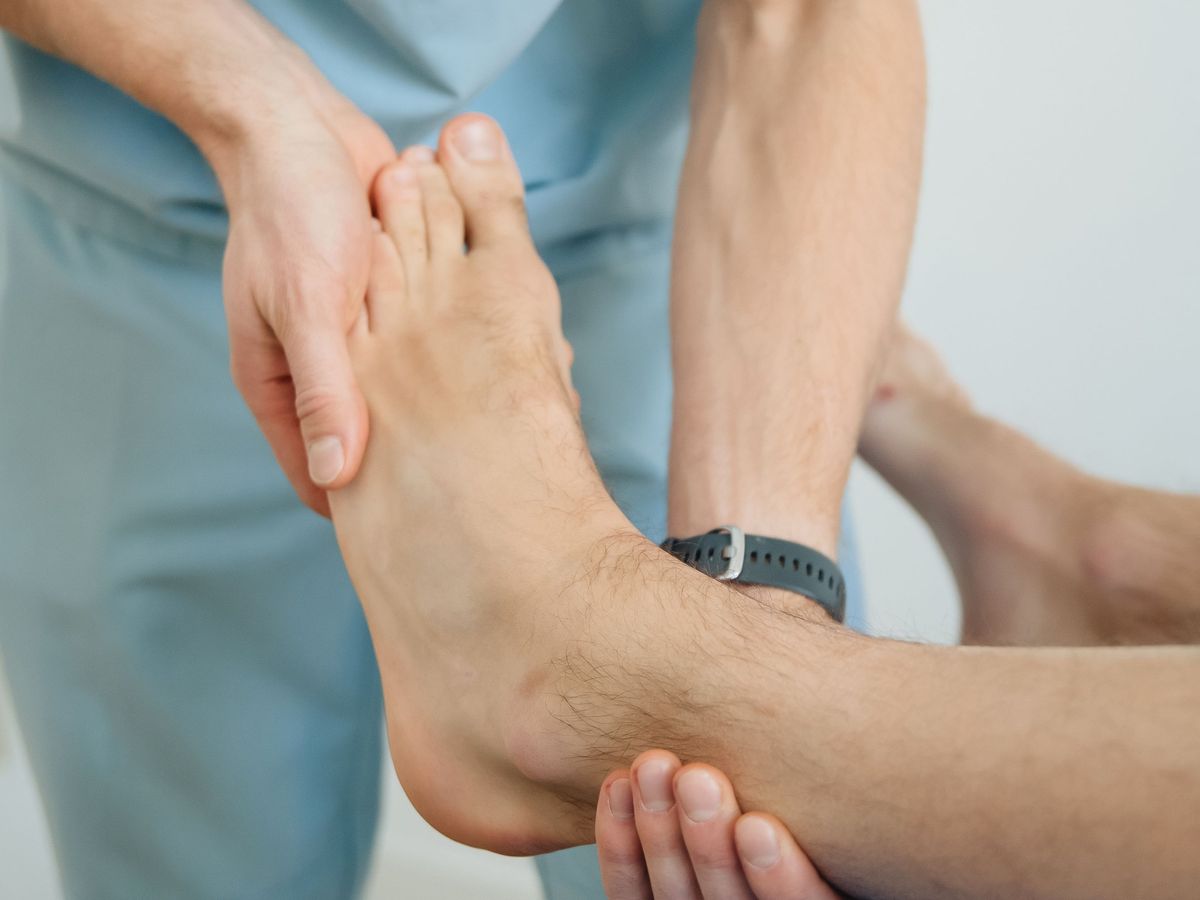
We first rule out the problems above. Then I find where it hurts and test how far your ankle and big toe bend, your calf strength on one leg, and how your foot moves when you walk, step down and squat. I change one thing at a time, such as taping, a different shoe or how you load the foot, and we see whether your first steps hurt less. A scan is usually not needed unless the diagnosis is unclear or progress stalls.
Treatment starts with what has the strongest evidence: hands-on work for the foot, ankle and calf, stretching, and taping for short-term relief. If your first steps hurt every morning, a night splint, which holds your foot gently pulled up while you sleep, is worth trying for one to three months. Then we build strength, up to heavier single-leg heel raises with your toes on a rolled towel, and return gradually to walking, running or training.
Timelines vary. Many people have had heel pain for a year or more before seeking help, and most improve within a year with good care. Evidence on strength work is mixed: in one trial, heavy heel raises gave better foot function than stretching at three months, but results were similar by six. I will not promise a date, but you will leave knowing what to do each morning.
Evidence note: the current physical therapy guideline for heel pain gives its strongest grade to hands-on treatment, stretching, taping and night splints, a weaker grade to strength training, and advises against adding ultrasound to stretching (Koc et al., Journal of Orthopaedic and Sports Physical Therapy, 2023).
Ease your first steps
Injury evaluation, 1.000.000 VND (about $38), at My An Sport Center. The price includes access to the facility and equipment.
Sources
- Koc TA Jr, et al. Heel pain, plantar fasciitis: revision 2023. Journal of Orthopaedic and Sports Physical Therapy. 2023;53(12):CPG1-CPG39. doi.org/10.2519/jospt.2023.0303
- Sahrmann SA and associates. Movement System Impairment Syndromes of the Extremities, Cervical and Thoracic Spines. St Louis: Elsevier/Mosby; 2011.
- Rathleff MS, et al. High-load strength training improves outcome in patients with plantar fasciitis: a randomized controlled trial with 12-month follow-up. Scandinavian Journal of Medicine and Science in Sports. 2015;25(3):e292-e300. doi.org/10.1111/sms.12313
- Trojian T, Tucker AK. Plantar fasciitis. American Family Physician. 2019;99(12):744-750. www.aafp.org/pubs/afp/issues/2019/0615/p744.html
- Aldridge T. Diagnosing heel pain in adults. American Family Physician. 2004;70(2):332-338. www.aafp.org/pubs/afp/issues/2004/0715/p332.html
- National Health Service (NHS). Plantar fasciitis. Patient information, last reviewed February 2025. www.nhs.uk/conditions/plantar-fasciitis/
This article is general education, not a diagnosis. Reviewed October 2026.