
Knee
Pain at the front of the knee on stairs
If the front of your knee aches on the stairs, in a squat or when you stand up after a long sit, the joint behind your kneecap is the usual suspect. This is called patellofemoral pain: pain from where the kneecap glides over the thigh bone. It usually flares when the knee gets more load than it is used to, and how you move can change how much of that load lands on the kneecap. Both can change.
Jeff Shaverian · Physical therapy · KPM
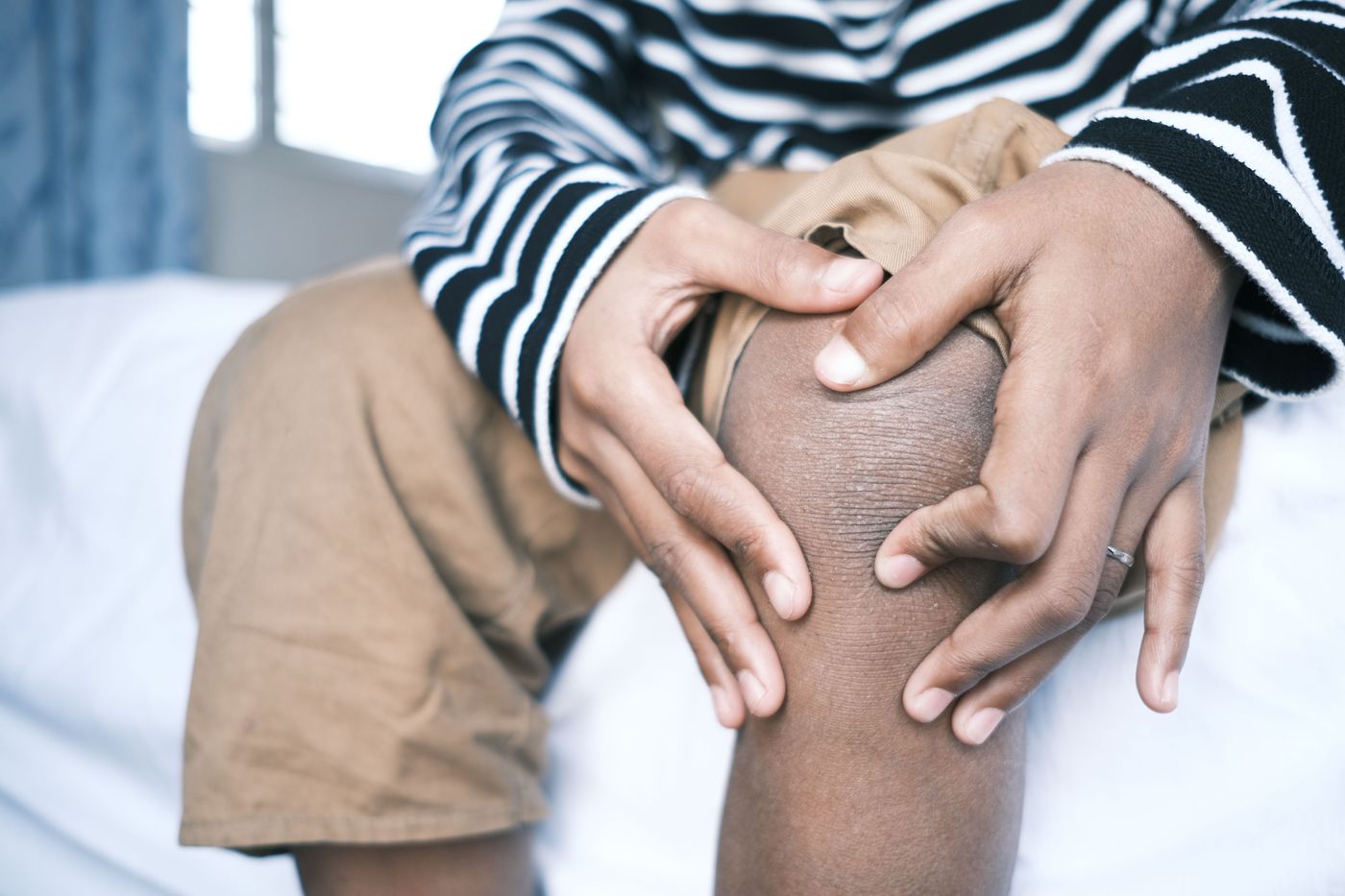
Where it hurts
Pattern 1
Around or behind the kneecap
- A dull ache that is hard to point to with one finger
- Stairs, squats, running or a long sit with bent knees set it off
- The sore spot can wander around the kneecap from day to day
This is patellofemoral pain, the subject of this article. Using KPM, the movement-based model I work with, I look for a knee that drifts inward or drives forward as it bends.
Pattern 2
Just below the kneecap
- Pain you can point to at the bottom tip of the kneecap
- Jumping, hopping and other springy moves hurt most
- Sitting and resting are usually comfortable
This looks more like patellar tendon pain (the tendon joining kneecap to shin). It needs a different plan, built around gradually loading the tendon, and gets its own article.
Some knees have a bit of both, and a description alone cannot always separate them. If you are not sure which fits, sort it out in an assessment before you pick a plan.
Why the kneecap gets irritated
Your kneecap rides in a groove at the front of your thigh bone. The more you bend the knee under load, the harder it presses into that groove. The cartilage there is among the thickest in your body and copes well, as long as the pressure is spread evenly and comes in amounts the knee is used to.
In my assessments, two movement shapes often show up alongside it. In the first, the knee drifts inward as you bend: the arch flattens, the thigh rolls in and the opposite hip may drop. That can shift where the kneecap presses into its groove. In the second, the knee drives forward before the hips move back, so the front of the knee does work your glutes (buttock muscles) should share. Both often hide in a two-leg squat and show up on one leg, like stepping down a stair. Stiff ankles or hips can feed into this too. Research has not shown that these shapes cause kneecap pain in the first place, but when changing them changes your pain, they are worth training.
Then add load. The pain often appears after a jump in how much you do: a new running plan, extra leg days or a weekend of steps at Marble Mountains. Rest and painkillers can quiet it, but they do not build up how much load your knee can handle, so it often returns when you go back to training.
What to try this week
- Turn it down, not off. For a week or two, do less of whatever sets it off, like deep squats, downhill runs or extra stairs, and keep doing what feels fine. Stopping everything often just pauses the problem. Ice can dull the ache but does not fix the cause.
- Break up long sits. If meetings, flights or long drives set it off, straighten the leg now and then, or stand and walk for a minute every 20 to 30 minutes.
- Let your hips help on the stairs. Going up, put your whole foot on the step and lean your chest slightly forward so your hips share the work. Going down, take it slowly, use the rail, and keep your knee pointing over your middle toes instead of letting it fall inward.
- Squat only as deep as feels okay. Once a day, do one or two easy sets of standing up from a chair and sitting back down, hips going back and knees in line with your feet. Keep it comfortable or close to it. Stop if it sharply worsens, and do fewer next time if the knee is worse the next morning.
Safety first
See a doctor first, or call 115 in an emergency, if you have:
- Knee pain after a fall, a crash or a hard twist, especially with a pop, fast swelling or trouble putting weight on the leg
- A knee that locks, gets stuck or keeps giving way
- A hot, red, swollen knee, or knee pain with a fever or feeling unwell
- Pain, swelling or throbbing in the calf or behind the knee, especially after a long flight, surgery or bed rest
- Numbness or tingling in the leg or foot
How I treat it
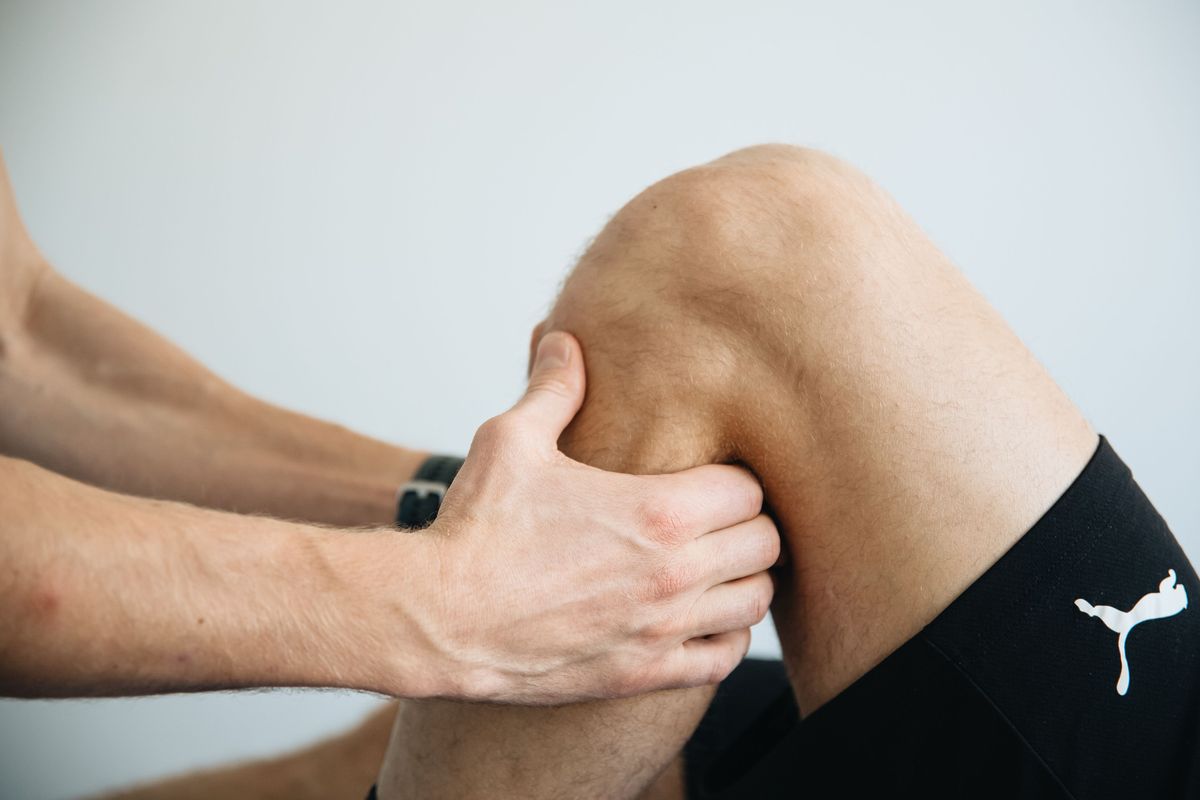
Your evaluation looks at how your knee behaves as you squat, step down and bend on one leg, and how your feet, ankles and hips move around it. Then I change one thing at a time: where your weight sits on your foot, how far your hips go back, where the knee points. When a change in how you move changes your pain, we know what to train. I also check whether it behaves more like kneecap or tendon pain, because the plans differ.
From there, you practise the corrected movement in the things you actually do: stairs, chairs, your squat, your run. Alongside that, we strengthen your hips and the front of your thigh, starting at depths and loads your knee accepts and building up over the weeks. For some people, taping or off-the-shelf shoe inserts take the edge off in the short term. Knee sleeves and machines like ultrasound or electrical stimulation add little. Some people feel a change early, but a knee that holds up under full training often takes weeks to months.
Evidence note: KPM trials so far have been in low back pain, so for the knee it guides my assessment. The exercise plan follows the current guideline, which recommends hip and knee strengthening as the core treatment, with taping or shoe inserts as short-term add-ons (Willy et al., Journal of Orthopaedic and Sports Physical Therapy, 2019).
Find what drives it
Injury evaluation, 1.000.000 VND (about $38), at My An Sport Center. The price includes access to the facility and equipment.
Sources
- Willy RW, et al. Patellofemoral pain: clinical practice guideline. Journal of Orthopaedic and Sports Physical Therapy. 2019;49(9):CPG1-CPG95. doi.org/10.2519/jospt.2019.0302
- Horschig A, Sonthana K. Rebuilding Milo. Las Vegas: Victory Belt Publishing; 2021. Chapter 3: Knee Pain.
- Malliaras P, et al. Patellar tendinopathy: clinical diagnosis, load management, and advice for challenging case presentations. Journal of Orthopaedic and Sports Physical Therapy. 2015;45(11):887-898. doi.org/10.2519/jospt.2015.5987
- Sahrmann SA and associates. Movement System Impairment Syndromes of the Extremities, Cervical and Thoracic Spines. St Louis: Elsevier/Mosby; 2011.
This article is general education, not a diagnosis. Reviewed October 2026.